


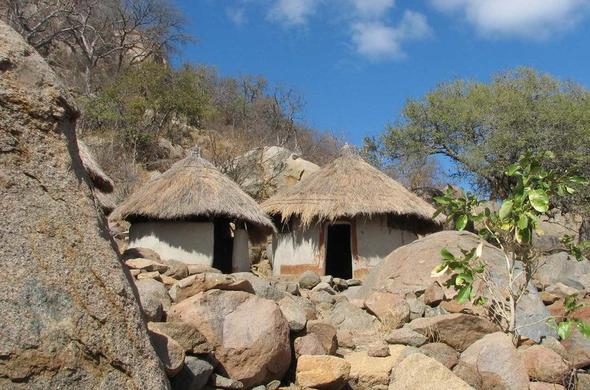
The Enchanted Legacy: Masorini Archaeological Site and Its Timeless Story
The Enchanted Legacy: Masorini Archaeological Site and Its Timeless Story” delves into the rich historical tapestry of the Masorini Archaeological Site, an emblematic locale that encapsulates centuries of human ingenuity and cultural evolution. Through meticulous examination of its artifacts and remnants, you are transported to an era where the symbiosis between human society and its natural environment was epitomized in the daily existence of the site’s inhabitants. The narrative not only highlights the site’s historical significance but also underscores the enduring legacy that continues to captivate scholars and visitors alike, offering profound insights into a world long past and the enduring spirit of its people. Have you ever wondered about the silent stories embedded in ancient ruins, whispering tales of civilizations long gone? Without a doubt, humanity’s past is a mosaic of such stories, which, if deciphered, could unlock a treasury of knowledge. Nestled within the grandeur of South Africa lies a unique chapter of this grand narrative: the Masorini Archaeological Site. This enchanted relic, testament to a civilization hundreds of years old, beckons with its timeless story.
The Enchanted Legacy: Masorini Archaeological Site and Its Timeless Story

Introduction
The Masorini Archaeological Site is not merely a collection of ancient ruins; it is a portal to a bygone era. Its significance transcends the physical remnants, encapsulating the essence of a culture and a way of life that shaped the region’s history. As you journey through this article, imagine walking amongst the ancient hills, where the wind sings a haunting melody of the past, narrating the chronicles of those who once thrived in this very land.
A Glimpse Into History
Masorini, an Iron Age site, dates back to a period between the 11th and 17th centuries. It is located in Kruger National Park, a region known for its rich tapestry of history and biodiversity. The Iron Age is characterized by the extensive use of iron for tools and weapons, marking a significant technological advancement. This period witnessed the growth of societies and the enhancement of agricultural practices, pivotal in shaping modern civilizations.
The Dawn of the Iron Age
Historians trace the Iron Age in Southern Africa to around 200 AD, marked by the diffusion of Bantu-speaking peoples. Their migration introduced advanced agricultural techniques and iron smelting technology. The Masorini community exemplifies this era, showcasing the ingenuity and resilience of its inhabitants.
| Phase | Timeline | Key Developments |
|---|---|---|
| Early Iron Age | 200 AD – 1000 AD | Introduction of iron smelting, Bantu migrations |
| Middle Iron Age | 1000 AD – 1300 AD | Expansion of settlements, trade networks |
| Late Iron Age | 1300 AD – 1850 AD | Peak of societies, intricate social structures |

The Thriving Settlement
As you delve deeper into Masorini’s historical narrative, you encounter a thriving settlement teeming with life. It was an industrious community with a well-developed societal structure. The inhabitants were experts in metallurgy, producing iron tools and weapons not just for their needs but also for trade.
Metallurgical Mastery
The site offers riveting evidence of advanced iron smelting processes. Built on the slopes of a verdant hill, the furnaces are a testament to the technical prowess of the Masorini people. The process involved extracting iron from its ore using locally available resources such as charcoal and clay.
Socio-Economic Structure
The Masorini society was hierarchically structured, with clear social stratifications. The local chief, who resided in the village’s upper echelons, governed the populace. Skilled artisans and craftsmen enjoyed respect and occupied higher social strata due to their indispensable contributions.
The Cultural Tapestry
Every civilization has its unique cultural essence that because more than mere artifacts; it represents the soul of the people, preserved through rituals, traditions, and everyday life.
Traditions and Practices
The Masorini people adhered to a myriad of customs, some of which are surmised from the layout of the village and its remains. For instance, the placement of huts around the central smelting furnaces suggests communal living and a strong emphasis on communal activities.
Artistic Expressions
Art played a crucial role in Masorini life. Pottery shards and remnants of decorative items uncovered during excavations provide a glimpse into their aesthetics. The motifs and designs are reflective of the broader Southern African artistic trends but also exhibit unique local variations, hinting at a rich, indigenous cultural heritage.
Archaeological Excavations
The process of uncovering Masorini’s secrets has been painstaking and detailed. Archaeologists have had to navigate the delicate balance of preserving the site while unearthing its buried treasures.
Early Discoveries
The initial discoveries date back to the mid-20th century, driven by individual researchers and later institutional support. These early excavations laid the groundwork for more comprehensive studies and established a timeline for the site’s occupation and usage.
Significant Findings
Key findings have included iron smelting furnaces, various iron tools, and pottery fragments. These artifacts have been crucial in reconstructing the daily lives of the Masorini inhabitants and understanding their technological expertise.
Preservation and Conservation
Preserving an archaeological site like Masorini is a monumental task. It requires not only meticulous physical conservation but also efforts to safeguard its narrative and ensure that future generations can continue to learn from this historical marvel.
Conservation Efforts
Modern technology and traditional methods have converged in the conservation efforts at Masorini. The careful restoration of furnaces and huts has helped maintain the integrity of the site, offering visitors an authentic glimpse into its past splendor.
Educational Initiatives
Awareness and education are pivotal in the preservation of such historical sites. Programs aimed at educating the public and involving local communities ensure a sustainable preservation model. By fostering a sense of ownership and pride, these initiatives help protect Masorini’s legacy.

Masorini in Contemporary Society
Masorini’s story is far from over. In fact, it continues to evolve as it integrates into the fabric of contemporary society. This meshing of antiquity with modernity serves as a reminder of our connected past and shared future.
Tourism and Global Interest
The site has garnered international attention, drawing tourists, historians, and archaeologists alike. This influx has not only bolstered local economies but also sparked cross-cultural exchanges, enhancing global understanding of Southern Africa’s rich history.
Community Engagement
Local communities play a crucial role in the site’s ongoing story. Engaging these communities in tourism and preservation activities ensures that Masorini remains a vibrant and cherished part of their cultural heritage.
The Future of Masorini
As we stand at the cusp of the future, the question arises: what lies ahead for Masorini? The ongoing efforts in excavation, conservation, and education suggest a promising horizon.
Technological Advancements
Future excavations will undoubtedly benefit from technological advancements such as ground-penetrating radar and 3D modeling. These tools will allow for more precise and less invasive exploration of the site.
Expanding the Narrative
There is a growing emphasis on expanding the narrative of Masorini. This includes integrating oral histories from local communities and exploring interconnectedness with other archaeological sites across Africa. Such holistic approaches will enrich our understanding of the site and its broader historical context.
Conclusion
As you reflect on the tale of the Masorini Archaeological Site, it becomes evident that its story is part of a larger, intricate tapestry of human history. This site, with its silent stones and ancient artifacts, beckons us to listen, learn, and cherish the timeless legacy it represents. By preserving and embracing this enchanted relic, we keep the flame of our shared past burning brightly, illuminating the path for future generations.


Be the first to leave a comment