


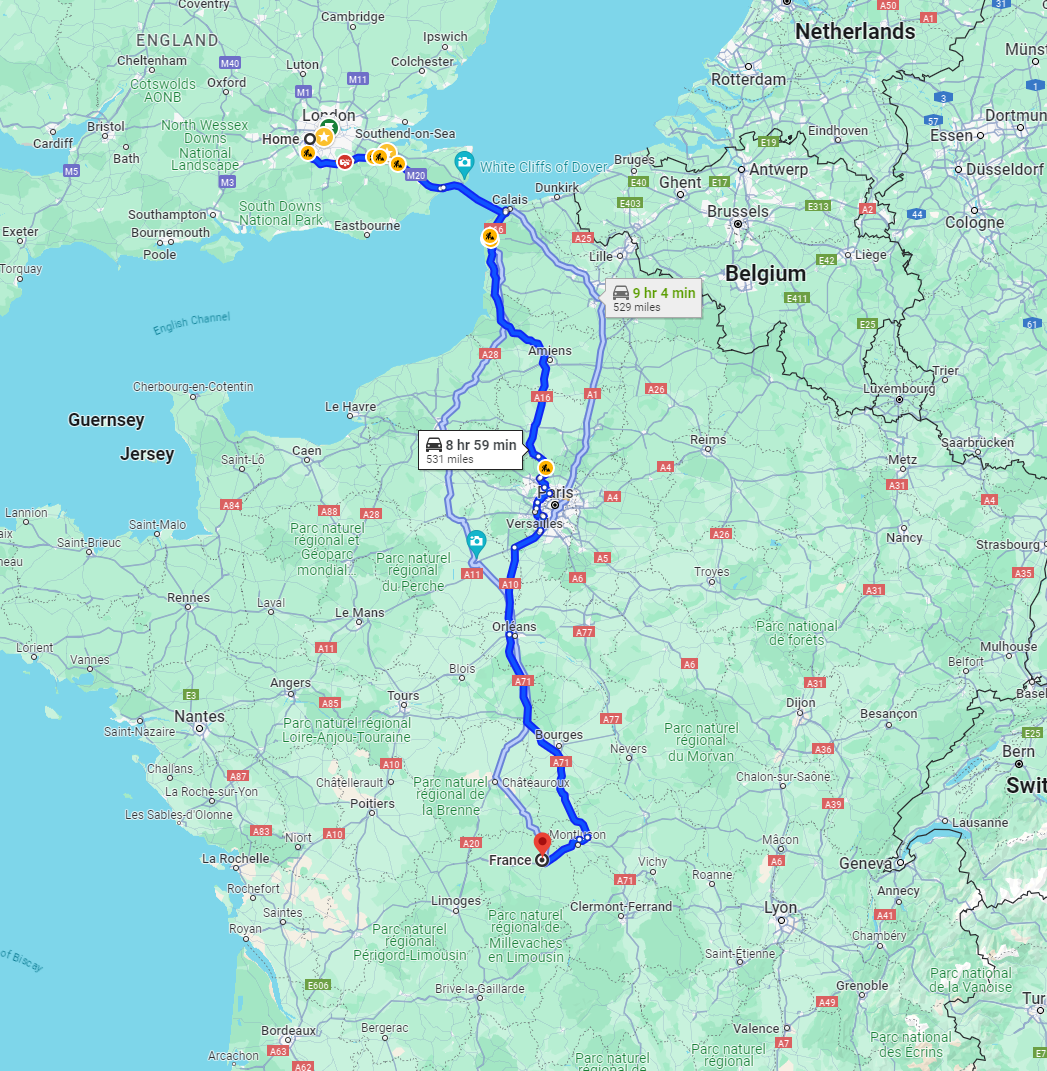
European Road Trip: From London to the French Countryside
Have you ever wondered what it feels like to embark on a journey from the bustling cityscape of London to the tranquil, picturesque French countryside? What stories and surprises would unfold along the roads that connect these two realms of unique charm and history? Well, you’re about to find out.
The Start of Your Adventure: Setting Off from London
The beginning of any road trip can often feel like the first few pages of a beloved book. Setting off from London, the iconic landmarks and the city’s spirited energy provide the perfect prologue. The winding streets, the hustle and bustle, the glimpse of the Thames shimmering in the early sunlight – they all contribute to the anticipation of the adventure awaiting you.
Preparing Your Travel Essentials
Leaving the urban jungle requires a bit of readiness. You’ll need a well-equipped car, a GPS device or reliable map, plus some snacks and drinks for the journey. Don’t forget your driving essentials, such as a valid driving license, insurance documents, and a breakdown cover. And, of course, having a playlist of your favorite tunes doesn’t hurt.
Choosing Your Route
One of the most exciting parts of your journey is deciding which route to take. Although there are various routes to reach the French countryside, a popular choice is via the Channel Tunnel. This route combines efficiency and excitement, as you can hop from one country to another within minutes.
Another option is taking the ferry from Dover to Calais. This not only provides a unique travel experience but also offers breathtaking views of the famous white cliffs of Dover as you depart from England’s shores.
Crossing The Channel: The Passage to France
Once onboard the ferry or the Eurotunnel, a sense of both adventure and relaxation sets in. Whether you’re peering out at the vast blue sea from the ferry deck or smoothly traversing the tunnel beneath the Channel, the journey across feels almost like a metaphorical bridge connecting two different worlds.
Costs: Travel and Transport
Traveling through the Channel Tunnel will set you back around £100 to £150 for a single journey, depending on the time of year and the type of ticket. The ferry, conversely, ranges from £30 to £70 for a single journey, with prices varying based on the operator, time of booking, and whether you’re traveling with a vehicle.
| Transport | Approximate Cost (Single Journey) |
|---|---|
| Eurotunnel | £100 – £150 |
| Ferry | £30 – £70 |
Remember, both transport options usually require advance booking, especially during peak travel seasons.
The Experience Onboard
While you’re onboard the ferry, you can stretch your legs, have a meal, or simply enjoy the sea breeze and scenic views. On the Eurotunnel, you’ll stay in your vehicle, but the journey is much quicker – about 35 minutes compared to the ferry’s average journey time of 1.5 hours.
Your First French Stop: Calais
Upon reaching Calais, you’ll immediately notice the difference in atmosphere. The coastal town of Calais greets you with its serene beaches and quaint harbors. Being a port town, Calais offers the perfect blend of historical significance and seaside charm.
Exploring Calais
Take the time to visit the lighthouse of Calais, offering panoramic views of the English Channel and the town itself. Stroll through Parc Richelieu, where you’ll find tranquil walking paths and beautiful gardens. If history piques your interest, the Calais Town Hall and its majestic belfry offer an intriguing visit.
The Heart of France: Journeying to the Countryside
As you leave Calais behind, venturing deeper into the heart of France, you’ll start to experience the shift from urban settings to rural idylls. The winding roads flanked by lush meadows and charming villages provide a captivating transition.
Enroute Attractions
On your way to the French countryside, several noteworthy stops can enrich your journey:
- Lille: A vibrant city with a rich Flemish influence, perfect for a brief yet enriching stopover.
- Reims: Known for its champagne houses and the stunning Reims Cathedral.
- Dijon: Famous for its gastronomy and the historic Ducal Palace.
Sights To See
Each of these destinations offers unique experiences:
| Destination | Key Attractions |
|---|---|
| Lille | Grand Place, Palais des Beaux-Arts |
| Reims | Notre-Dame de Reims, Champagne cellars |
| Dijon | Musée des Beaux-Arts, Les Halles Market |
Settling into the French Countryside
After meandering through picturesque routes and captivating towns, you finally reach the French countryside. The rolling vineyards, quaint stone cottages, and serene landscapes are a pastoral idyll that feels almost timeless.
Places to Stay
Finding the perfect place to stay is crucial to fully indulge in the tranquility of the countryside. Options range from rustic farmhouses to elegant bed and breakfasts. Here are a few suggestions to consider:
| Accommodation Type | Notable Examples |
|---|---|
| Farmhouses | La Ferme de Mouligneaux |
| Bed and Breakfasts | Le Petit Château, La Mare Elan |
| Châteaux | Château de Saint Paterne, Château Les Crayères |
Costs of Accommodation
Prices for accommodation can vary widely based on the type and location. Generally, farmhouses and B&Bs range from €70 to €150 per night, while staying in a château might cost between €200 and €500 per night.
Activities and Experience
From wine tasting tours in the vineyards to leisurely bike rides through scenic trails, the activities in the countryside are as diverse as they are delightful. You can visit local farmer markets, participate in cooking classes to master French cuisine, or simply relish the tranquility with a good book in hand.
Gastronomic Journey: Savoring the Delights
French cuisine is often considered the epitome of culinary excellence. Your road trip will be incomplete without indulging in some of the best gastronomic delights the country has to offer.
Must-Try Dishes
Here are a few regional specialties you shouldn’t miss:
| Region | Specialty Dishes |
|---|---|
| Normandy | Coq au Vin, Tarte Tatin |
| Burgundy | Boeuf Bourguignon, Escargot |
| Provence | Ratatouille, Bouillabaisse |
| Alsace | Choucroute, Tarte Flambée |
Each dish showcases the unique flavors and ingredients of its region, creating a culinary tapestry that is both rich and varied.
Dining Expenses
Dining in France can vary based on the type of establishment. Here’s a rough breakdown:
| Type of Establishment | Approximate Cost |
|---|---|
| Bistros & Cafés | €10 – €30 |
| Mid-range Restaurants | €30 – €60 |
| Fine Dining | €70 upwards |
Local Culture and Interactions
Engaging with the local culture is one of the most rewarding aspects of traveling. The French countryside, known for its warm-hearted people and rich traditions, offers ample opportunities for meaningful interactions.
Language and Communication
While French is the primary language, you’ll find that many locals in tourist areas speak at least some English. However, learning a few basic French phrases can go a long way in making connections and showing respect for the local culture.
Festivals and Events
Depending on when you travel, you might coincide with local festivals and events. These provide a wonderful glimpse into the region’s cultural fabric. Some notable events include:
| Event | Location | Time of Year |
|---|---|---|
| Fête de la Vigne | Dijon | August |
| Les Grandes Eaux | Versailles | Throughout Summer |
| Truffle and Wine Festivals | Various regions | Autumn |
Reflections and Takeaways
As your journey winds down, reflecting on the experiences, sights, and sounds of your road trip from London to the French countryside provides a sense of fulfillment.
Memories to Cherish
The journey is filled with countless moments that become cherished memories. Whether it’s the first sight of the French coastline, the taste of fresh croissants in a quiet village, or the friendly chatter with locals at a country market – each experience adds a unique chapter to your travel story.
Useful Tips and Final Thoughts
To ensure a smooth and enjoyable trip, keep these tips in mind:
- Plan Ahead: While spontaneity has its charm, having a general itinerary helps maximize your experiences.
- Be Flexible: Embrace the unexpected detours and discoveries; they often become the highlights.
- Stay Connected: Mobile network coverage is good, but investing in a local SIM card can be helpful.
- Respect Local Norms: Understanding and respecting the local customs and etiquette fosters positive interactions.
This road trip, spanning from the vibrant streets of London to the serene landscapes of the French countryside, is more than just a journey – it’s an immersion into the heart and soul of two distinct yet remarkably enchanting cultures. Safe travels, and may your adventure be filled with joy and discovery.



Be the first to leave a comment