


Exploring The Kruger National Park: A Cultural and Natural Heritage
Embark on an unforgettable journey through the Kruger National Park, a gem in Southern Africa’s landscape offering the ultimate self-guided safari experience. As you traverse this vast expanse, discover not only the stunning natural vistas that host the majestic Big Five—lions, leopards, elephants, buffalo, and rhinos—but also the rich cultural tapestry woven into the history of the land. From highly-rated camps with breathtaking views to affordable options that don’t compromise on comfort, Kruger is a treasure trove of diverse wildlife and heritage waiting for you to explore. Have you ever dreamed of embarking on a safari adventure, immersed in the pristine beauty of the African wilderness? If so, exploring the Kruger National Park might just be the journey of a lifetime for you. Nestled in the heart of Southern Africa, this national park is an epitome of natural grandeur and cultural richness. Here, the wild roar of lions, the gentle tread of elephants, and the wild dance of traditional African culture converge to provide an unforgettable experience.
The Jewel of Southern Africa: Kruger National Park
Kruger National Park, often hailed as the crown jewel of Southern African wilderness, stretches over 19,485 square kilometers. This vast expanse is not just about the sheer size but about the unparalleled diversity it houses. From the majestic baobab trees to the sprawling savannas dotted with acacia, the landscape here is a living testament to nature’s brilliance.
Historical Background and Cultural Significance
Delving into the park’s history reveals centuries of rich cultural heritage. The ancestral lands of the Kruger were inhabited by the San people, often referred to as “Bushmen,” whose ancient cave paintings still adorn the park, offering a glimpse into their way of life. Over time, the area became a hunting ground for various tribes and later European settlers. In 1926, it was officially declared a national park, making it one of Africa’s oldest and most revered conservation areas.
The Best Self-Guided Safari Experience
Kruger National Park offers an unparalleled self-guided safari experience. This is not merely about roaming the park in your vehicle; it’s about immersing yourself in the wilderness, on your terms, at your own pace, and with the thrill of discovery at every turn.
Let’s explore how to make the most of this self-guided adventure.
Planning Your Safari
Embarking on a safari in Kruger necessitates careful planning. From choosing the right season to pack the essentials, every detail counts in crafting a memorable journey.
Best Time to Visit
The best time to visit Kruger National Park largely depends on what you wish to experience. The dry season, from May to September, is ideal for game viewing as animals congregate around waterholes. On the other hand, the wet season, from October to April, brings lush landscapes and is perfect for bird watching.
| Season | Characteristics |
|---|---|
| Dry Season (May – September) | Mild temperatures, excellent visibility, easier to spot wildlife |
| Wet Season (October – April) | Lush scenery, bird breeding season, baby animals visible, fewer tourists |
Entry Points and Routes
Kruger National Park boasts multiple entry points, each offering unique insights into the park’s diverse ecosystems. The main gates – Paul Kruger, Malelane, Crocodile Bridge, and others – serve as gateways to different regions of the park. Depending on your preferences, you can choose a route that maximizes your chances of spotting specific wildlife or exploring particular landscapes.
Choosing Your Accommodation
Kruger National Park is dotted with various camps and lodges, each offering different experiences and amenities. Understanding the options available can help you choose the one that best suits your style and budget.
Rest Camps
Rest camps are the most common form of accommodation within the park. They are fully equipped with facilities such as shops, restaurants, and petrol stations, offering a blend of comfort and wilderness experience.
| Rest Camp | Star Rating | Price Range (per night) | Highlights |
|---|---|---|---|
| Skukuza | ★★★★☆ | $85 – $150 | Largest camp, extensive amenities, excellent wildlife sightings near Sabie River |
| Lower Sabie | ★★★★☆ | $75 – $120 | Beautiful views of the Sabie River, great for hippo and bird watching |
| Satara | ★★★★☆ | $70 – $115 | Known for frequent lion sightings, central location in park |
| Letaba | ★★★★☆ | $60 – $100 | Scenic views, elephant herds often spotted near the river |
| Olifants | ★★★★☆ | $80 – $125 | Stunning vistas over Olifants River, relaxed atmosphere |
Bushveld Camps
For those seeking a more intimate experience, bushveld camps offer a serene escape with fewer crowds. These camps provide basic amenities and the luxury of isolation amidst nature.
Luxury Lodges
If luxury is your preference, Kruger also offers a selection of high-end lodges that promise opulent comfort and exclusive safari experiences, often including guided tours and gourmet meals.
Camping and Caravaning
Adventurous souls can opt for the numerous camping and caravan sites available. These spots provide a more rustic experience, allowing you to sleep under the African stars while enjoying the basic amenities.
Encountering the Big Five
The term “Big Five” refers to the African lion, African elephant, African leopard, rhinoceros, and Cape buffalo. These magnificent creatures are a major draw for visitors to Kruger, and spotting them is a thrilling highlight of any safari.
The African Lion
The African lion, often dubbed the “King of the Jungle,” is a majestic creature you will likely encounter in Kruger. These predators are most active during the cooler parts of the day, so early mornings and late afternoons are prime times for viewing.
The African Elephant
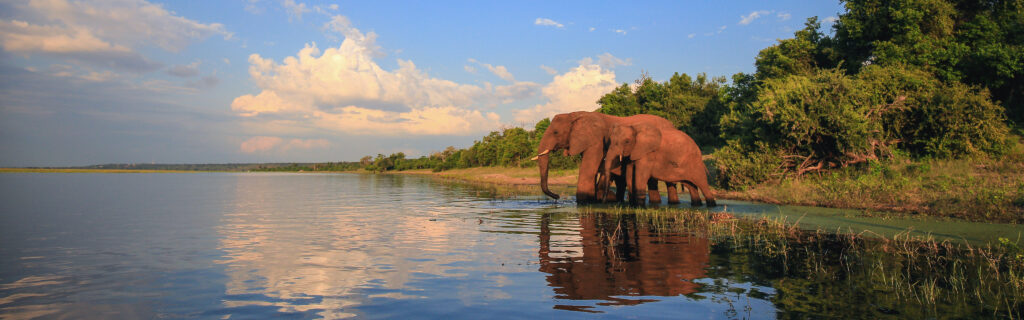
Kruger is home to a vast population of African elephants, the largest land animals on Earth. Observing these gentle giants in their natural habitat, especially around water holes during the dry season, is an awe-inspiring experience.
The African Leopard
Of all the Big Five, the African leopard is the most elusive and challenging to spot. These solitary, nocturnal creatures prefer dense bush and rock thickets, making sightings a thrilling rarity.
The Rhinoceros
Kruger hosts both the vulnerable white rhinoceros and the critically endangered black rhinoceros. Safeguarding these animals from poaching is a top priority for park authorities, and spotting one in the wild is a humbling experience.
The Cape Buffalo
The Cape buffalo, with its iconic curved horns, is one of the most formidable of the Big Five. Often found in large herds, these powerful animals are a testament to Africa’s wild and untamed spirit.
Other Wildlife and Birds
While the Big Five often steal the spotlight, Kruger National Park is a sanctuary for a plethora of other wildlife species and an ornithologist’s paradise.
Other Mammals
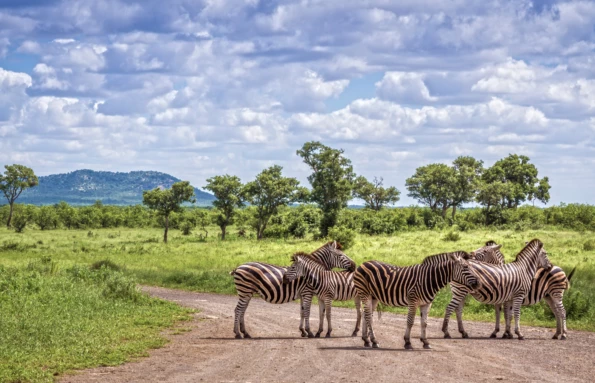
In addition to the Big Five, Kruger is home to a myriad of other mammals, such as giraffes, zebras, cheetahs, hippos, and numerous antelope species. Each of these animals contributes uniquely to the ecological tapestry of the park.
Bird Watching
With over 500 bird species recorded, Kruger is a haven for bird enthusiasts. From the striking Lilac-breasted Roller to the majestic Martial Eagle, the diversity of avian life here is staggering.
The Best Views and Scenic Spots
Kruger National Park is not just about wildlife; it’s also about breathtaking landscapes that stay etched in your memory long after your visit.
Panorama Route
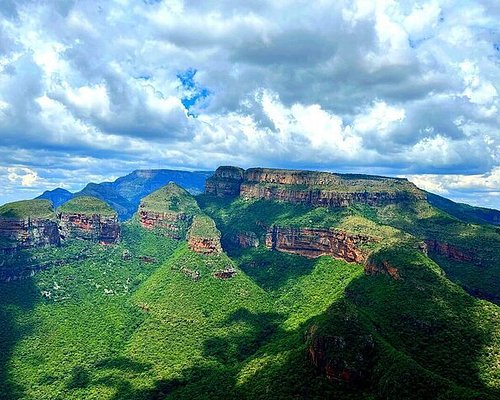
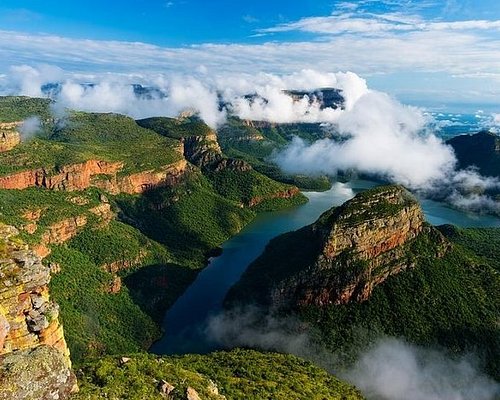
The Panorama Route is a scenic drive outside the park, leading to incredible viewpoints such as God’s Window, the Three Rondavels, and Bourke’s Luck Potholes. This route offers stunning vistas of the Blyde River Canyon, one of the largest canyons in the world.
Olifants River Viewpoint
The Olifants River Viewpoint within the park offers sweeping views over the river, where you can often spot elephants, hippos, and crocodiles basking on the riverbank.
Masorini Ruins
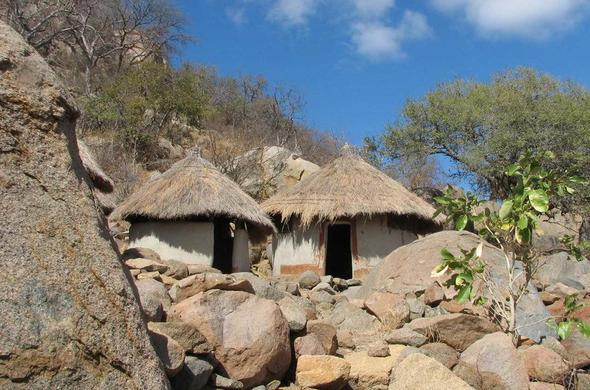
Masorini is an archaeological site within the park, offering a glimpse into the Iron Age settlements that once thrived here. The reconstructed homesteads and artefacts provide valuable insights into the lives of the early inhabitants.

Embracing the Cultural Heritage
Beyond its natural wonders, Kruger National Park is steeped in cultural heritage, reflecting the rich traditions and histories of the region’s indigenous peoples.
San Rock Art
The ancient San rock art found in the park’s caves is a window into the spiritual and daily lives of the San people. These paintings, depicting hunters, animals, and rituals, are significant cultural treasures.
Shangaan Cultural Village
Visiting a Shangaan Cultural Village offers a comprehensive experience of the local Shangaan people’s traditions, dance, and music. Engaging with the community and understanding their customs enriches your safari experience.
Practical Tips for Your Safari
To ensure that your safari adventure is smooth and enjoyable, here are some practical tips:
What to Pack
Packing wisely is crucial. Essentials include lightweight clothing, a hat, sunscreen, insect repellent, sturdy footwear, binoculars, and a good camera. Don’t forget your map of the park and a guidebook.
Park Rules and Etiquette
Respecting the park’s rules is vital for your safety and the well-being of the wildlife. Always stay in your vehicle unless in designated areas, and never feed the animals. Keeping a safe distance from wildlife ensures both your safety and theirs.
Guided Tours and Activities
While a self-guided safari is thrilling, consider joining some guided tours and activities. Expert guides offer invaluable insights and increase your chances of spotting elusive animals. Options include night drives, bush walks, and birding tours.
Concluding Your Safari Journey
As you explore the Kruger National Park, you’ll find yourself falling in love with its rugged beauty, rich biodiversity, and cultural depths. Each day in the park is a new chapter in an ongoing story of conservation, heritage, and adventure.
Leaving Kruger, you carry with you not just memories but a deeper appreciation for the natural world and a richer understanding of the cultural heritage that thrives in this precious enclave. Your safari story is one of wonder and respect, a tale you’ll recount time and again with a gleam in your eye and a pounding in your heart.
Final Thoughts
Exploring the Kruger National Park is more than just a visit; it’s a transformative experience. Here, every moment is a reminder of nature’s grandeur and humanity’s place within it. Whether you’re captivated by the sight of a lioness on the prowl, mesmerized by ancient rock art, or simply soaking in the scenery from a riverside viewpoint, Kruger offers a connection to the wild that is both profound and exhilarating.
So, are you ready to embark on this adventure? Pack your bags, charge your camera, and prepare for a journey that will forever be etched in your soul. Because in the heart of Kruger, every path leads to a new discovery, and every discovery adds a new dimension to your understanding of this magnificent world.


Be the first to leave a comment