


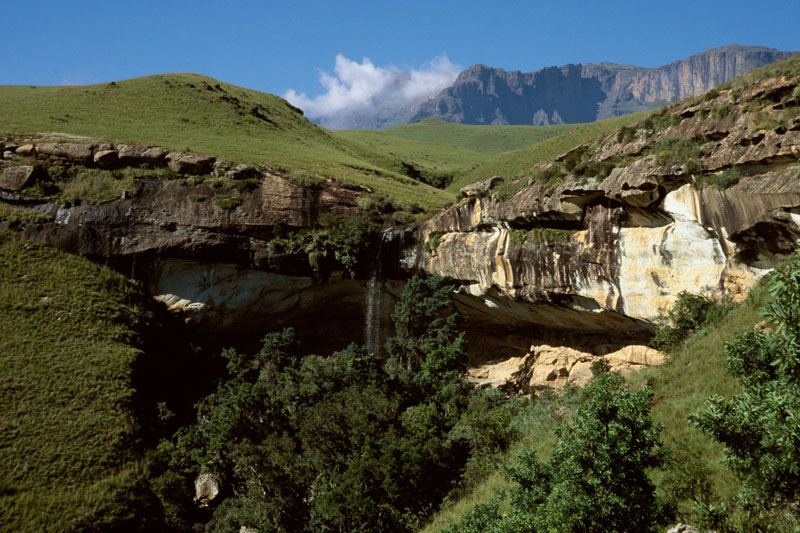
The Hidden History Behind South Africa’s Rock Art
You step into the mesmerizing world of South Africa’s rock art, a tapestry of ancient stories etched into stone by the hands of our ancestors. “The Hidden History Behind South Africa’s Rock Art” invites you to explore the enigmatic images that adorn the caves and cliffs, revealing the lives, beliefs, and dreams of those who came long before us. As you journey through these remarkable sites, you uncover the rich history that breathes life into each stroke of paint and carved line. Have you ever wondered about the mysterious history hidden within the rugged terrains of South Africa? Welcome to a journey through time, where rock art tells stories of ancient peoples, cultures, and their fascinating ways of life. The rock art scattered across South Africa isn’t just a display of artistic talent; it’s a profound narrative etched into stone that offers an invaluable glimpse into our human past.
What is Rock Art?
Let’s get the basics out of the way. Rock art primarily consists of engravings and paintings on rocks, created by ancient people for various reasons. In South Africa, these artworks span thousands of years and embody a rich cultural history, mainly attributed to indigenous groups like the San and Khoi. Imagine them as ancient Instagrammers—leaving their stories behind for future generations to marvel at!
Types of Rock Art
Rock art isn’t limited to just one form. It can be broadly categorized into two types: petroglyphs and pictographs.
- Petroglyphs: These are carvings or engravings made directly into the rock surface. You know, kind of like chipping away at the stone to create lasting impressions. They often depict animals, human figures, and abstract shapes.
- Pictographs: These are paintings or drawings on rock surfaces, typically done using natural pigments. Think of it like ancient folks slipping into their artist mode, mixing colors to create vibrant scenes.
The People Behind Rock Art
Alright, who were these creative geniuses? The primary creators of South African rock art are the San and Khoi people.
The San People
Often referred to as Bushmen, the San are one of the oldest known cultures in the world. Their rock art, believed to date back over 20,000 years, offers a peek into their daily lives, spiritual beliefs, and social structures.
The Khoi People
The Khoi were pastoralists, meaning they were more about herding animals. Their art is generally more geometric compared to the San’s fluid and naturalistic styles. Each tribe’s unique artistic flair fills in different pieces of the puzzle that is South Africa’s history.
Key Rock Art Sites in South Africa
Let’s now embark on a virtual road trip through some of the most iconic rock art sites in South Africa. Buckle up!
Drakensberg Mountains
The Drakensberg range, often referred to as the “Dragon Mountains,” is like the Louvre for South African rock art. It’s home to thousands of well-preserved San rock paintings. These artworks mainly depict eland (a type of antelope), humans, and spiritual beings. The mountains offer a treasure trove for anthropologists and curious visitors alike.
Cederberg Mountains
The Cederberg Mountains offer more than just breathtaking landscapes. They have some of the most intricate rock paintings created by the San people. Beautifully detailed images of animals and people adorn the rocky surfaces, telling stories of hunting and daily life.
Tandjesberg
Located in the Free State, Tandjesberg is a lesser-known gem that features remarkable San rock art. Here, you’ll find depictions of humans and animals that are celebrated for their artistic quality and detail. The site offers valuable insights into the lives and beliefs of its ancient inhabitants.
Tsodilo Hills
Although primarily in Botswana, the Tsodilo Hills’ influence and significance spill over into South Africa. This UNESCO World Heritage Site contains thousands of fascinating rock art paintings. It’s often referred to as the “Louvre of the Desert” for its extensive and varied art, some of which spans over 1,000 years.
Nyarauwa Cave
Situated in Limpopo Province, the Nyarauwa Cave boasts of rock art by the Venda people. Unlike the San and Khoi styles, this art often portrays rituals, ceremonies, and intricate patterns, providing another piece to the complex puzzle of South Africa’s historical tapestry.
Decoding the Symbols
Okay, let’s pretend we’re ancient art critics. To truly appreciate rock art, you need a bit of background in interpreting these ancient symbols.
Animals and Hunting
A lot of the rock art features animals, especially elands. Why so many elands, you ask? These creatures weren’t just daily sustenance; they held spiritual significance. The belief was that elands could connect the living with the spirit world.
Human Figures
Human depictions often show figures in dynamic poses, participating in daily activities like hunting, dancing, or even performing rituals. These aren’t just pretty pictures; they offer a storytelling medium that captures the essence of ancient civilizations.
Abstract Symbols
Ever find those abstract symbols in modern art intriguing? Ancient artists also used geometric shapes and patterns that might seem cryptic. These are believed to represent spiritual rituals, navigation markers, or even clan symbols.
Shamanic Symbols
Hallucinogenic imagery suggests that some of these artworks were created under the influence of psychedelics—pretty wild, right? Scholars propose that these symbols were attempts to depict shamanic journeys or visions.

What Tools Were Used?
Okay, confession time—before we dive into the tools, you’ll need to ditch the idea of ancient artists with paintbrushes and easels. The tools were as simple as they were effective.
Natural Pigments
The artists used natural pigments derived from minerals, plants, and even animal blood. For example, red ochre was a popular choice, thanks to its availability and vibrant hue.
Brushes and Applicators
They employed rudimentary brushes made from animal hair, feathers, or even chewed sticks. Talk about resourceful!
Carving Tools
Sharp stones or bones acted as engraving tools. Imagine chiseling away meticulously to leave a permanent mark—that’s some serious dedication!
Binding Agents
To make the pigments stick, natural binders like animal fat and plant sap were used. Think of it as ancient adhesive that withstood the test of time.
Cultural Significance
Now, why would someone go through all this trouble just to paint on rocks? Rock art served multiple purposes—religious, social, and even educational.
Religious and Spiritual Purposes
The rock art was often tied to spiritual beliefs and shamanic rituals. Think of it as an ancient form of stained glass windows you might find in churches today—each image narrated a religious tale or symbol.
Social Documentation
Rock art captured daily life, codifying norms, rituals, and social roles. It was like a historical archive etched in stone, preserving the societal values and experiences of communities.
Educational Value
The art also had an educational role, passing down vital information about hunting techniques, social customs, and spiritual beliefs from one generation to the next.
Preservation Efforts
Alright, switching gears—let’s talk about the present and future of rock art. Preserving these ancient masterpieces is not just about keeping history alive; it’s about honoring the culture and ingenuity of ancient civilizations.
Conservation Techniques
Preserving rock art is a challenge, given their exposure to natural elements and human activity. Here’s a table summarizing different conservation techniques:
| Technique | Description |
|---|---|
| Environmental Control | Protecting sites from natural elements like water, wind, and vegetation. |
| Legal Protection | Implementing laws to hinder vandalism and unauthorized access. |
| Public Awareness | Education programs to inform the public about the importance of preservation. |
Challenges Faced
But hey, it’s not all rosy. There are numerous challenges involved:
- Vandalism: Unfortunately, not everyone values ancient art, and some sites have been defaced.
- Natural Degradation: Weather can erode these artworks over time.
- Tourism Impact: While visitors bring much-needed attention to these sites, they can also cause inadvertent harm.
Community Involvement
Local communities play a crucial role in the preservation of rock art. Training and involving community members in conservation efforts ensure that these treasures are safeguarded for future generations.
The Role of Modern Technology
Guess what? Modern science is lending a hand, too! Cutting-edge technologies are aiding in the preservation and study of rock art.
Digital Imaging
Digital imaging allows experts to create high-resolution replicas of rock art, which can be studied without disturbing the original. It’s like creating a digital museum!
3D Modeling
3D models offer an interactive way to explore these ancient sites. Through virtual reality, you can now experience rock art as vividly as if you were physically there.
How to Visit These Sites
Ready to go on your own rock art adventure? Here are a few tips to help you plan your visit:
Guided Tours
Opt for guided tours as they often provide expert insights and ensure that visitors follow preservation protocols.
Best Time to Visit
South Africa’s climate can vary, so plan your visit during the dry season to avoid any weather disruptions.
Respectful Tourism
Always follow the “Leave No Trace” principles. Your respect for these sites helps in their conservation.
Conclusion
So there you have it—a deep dive into the mesmerizing world of South Africa’s rock art. These ancient creations aren’t just markings on rocks; they’re windows into our collective past. By learning about them, you’re not just appreciating art; you’re preserving history and culture.
So, next time you come across a rock art picture online or, better yet, see it with your own eyes, think of the stories, the people, and the fascinating history behind those pigments and carvings. You’ll see that it’s not just rock art; it’s humanity itself etched in stone.
Feel free to share your thoughts or experiences if you’ve visited any of these incredible sites. Your journey through time has only just begun!



Be the first to leave a comment